Gadhiya Enterprises brokers cotton and yarn across twelve states, and builds the hedge around the position you actually hold. Warehousing, finance, testing and transport come from the same network — so a trade does not stall between the people who have to make it work.
Physical cotton, yarn and the seed complex around them
Three connected markets. Knowing where lint, yarn and cottonseed sit relative to each other is most of what a good basis call is made of.
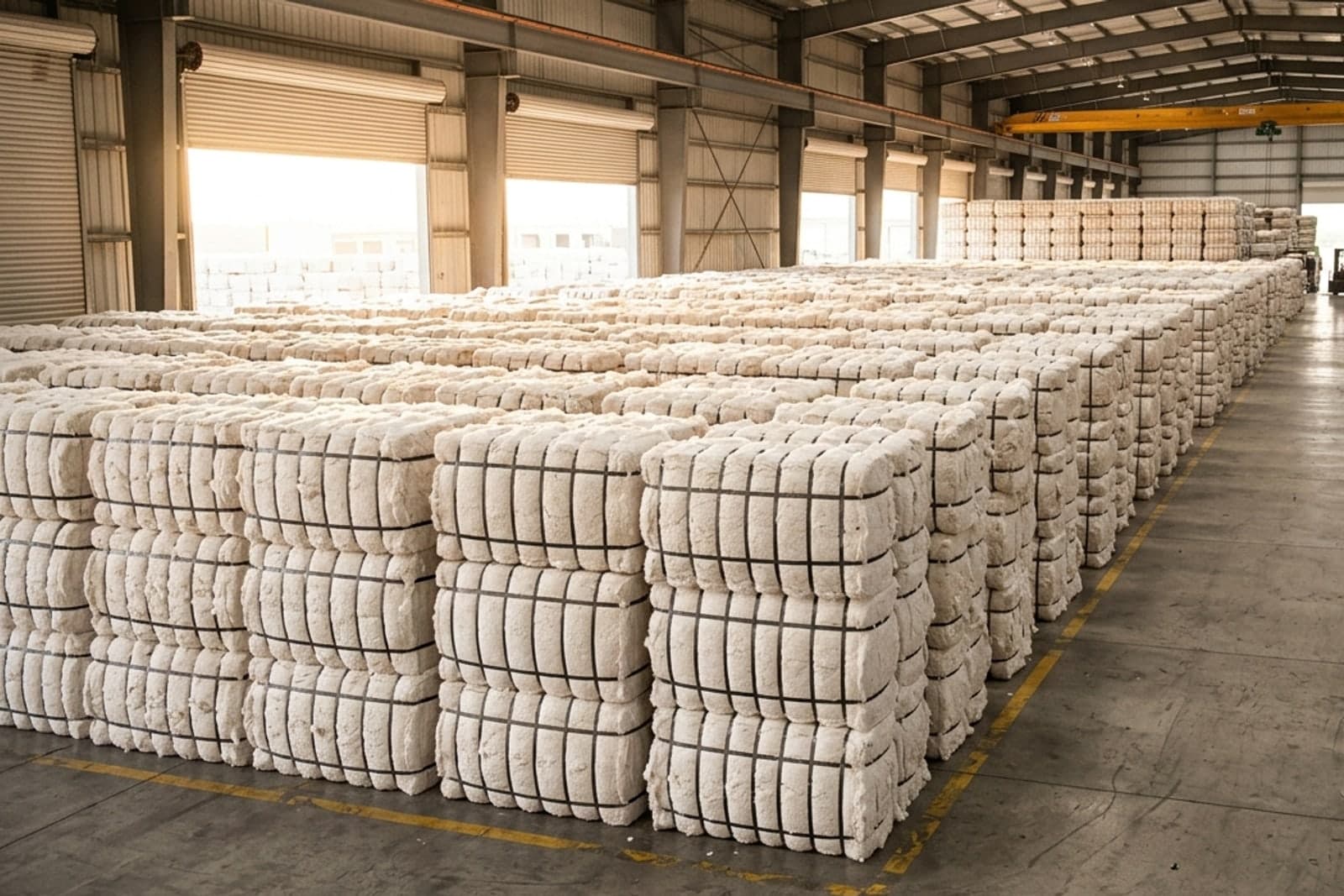
Cotton FP Bales
Fully-pressed bales moved between ginners, spinning mills and exporters. Shankar-6, MECH-1, DCH-32 and regional varieties, matched to the staple and micronaire the buyer actually needs.
Shankar-6 and regional varieties
Ginner-to-mill matching
Contract and delivery follow-through
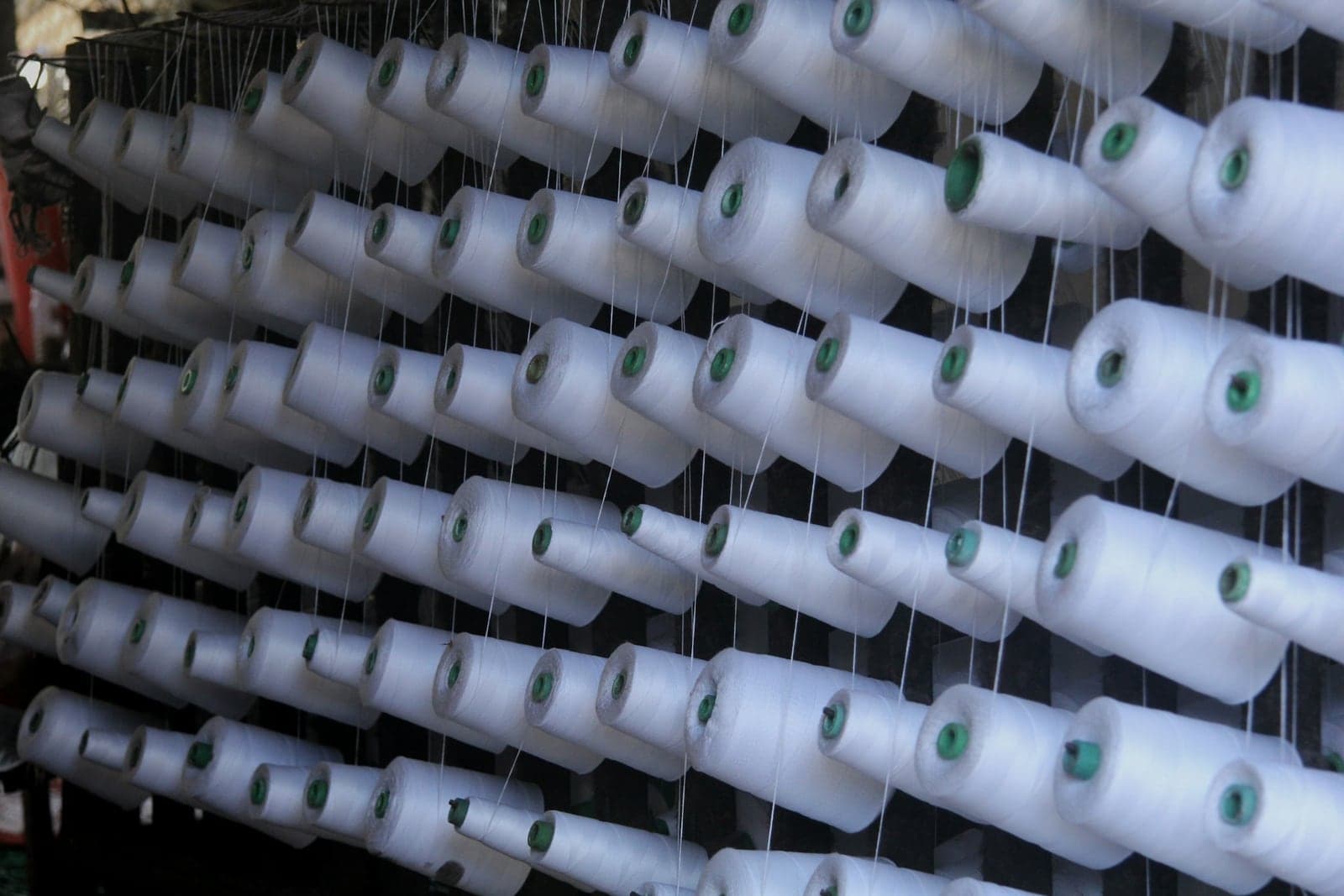
Cotton Yarn
Combed and carded yarn across the common counts, brokered between spinning mills and weaving, knitting and export buyers.
Combed and carded
Mill-to-buyer placement
Count and quality matching
Kapas & Cottonseed
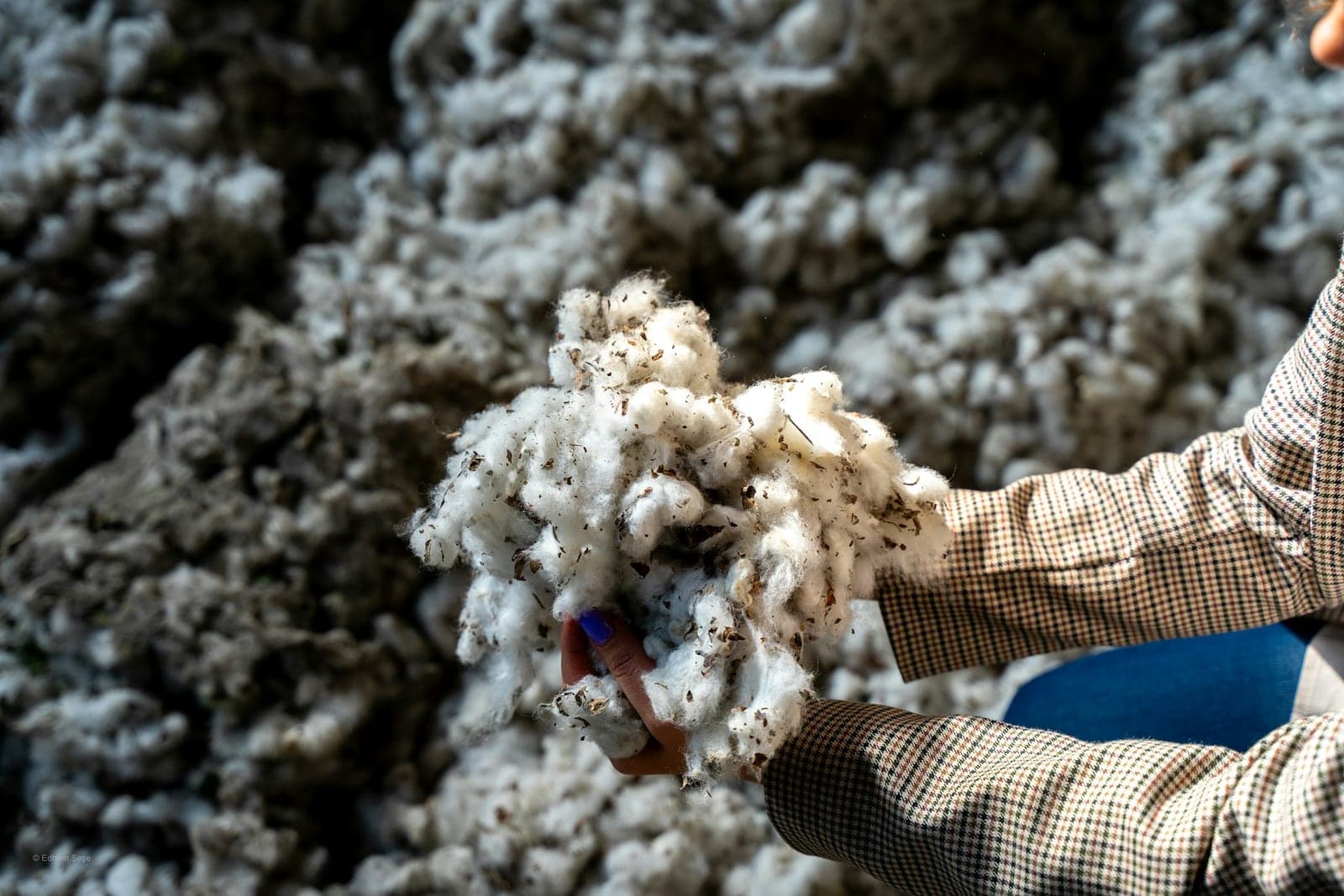
Seed cotton and the cottonseed complex - oilcake and oil - where crush economics set the floor under lint.
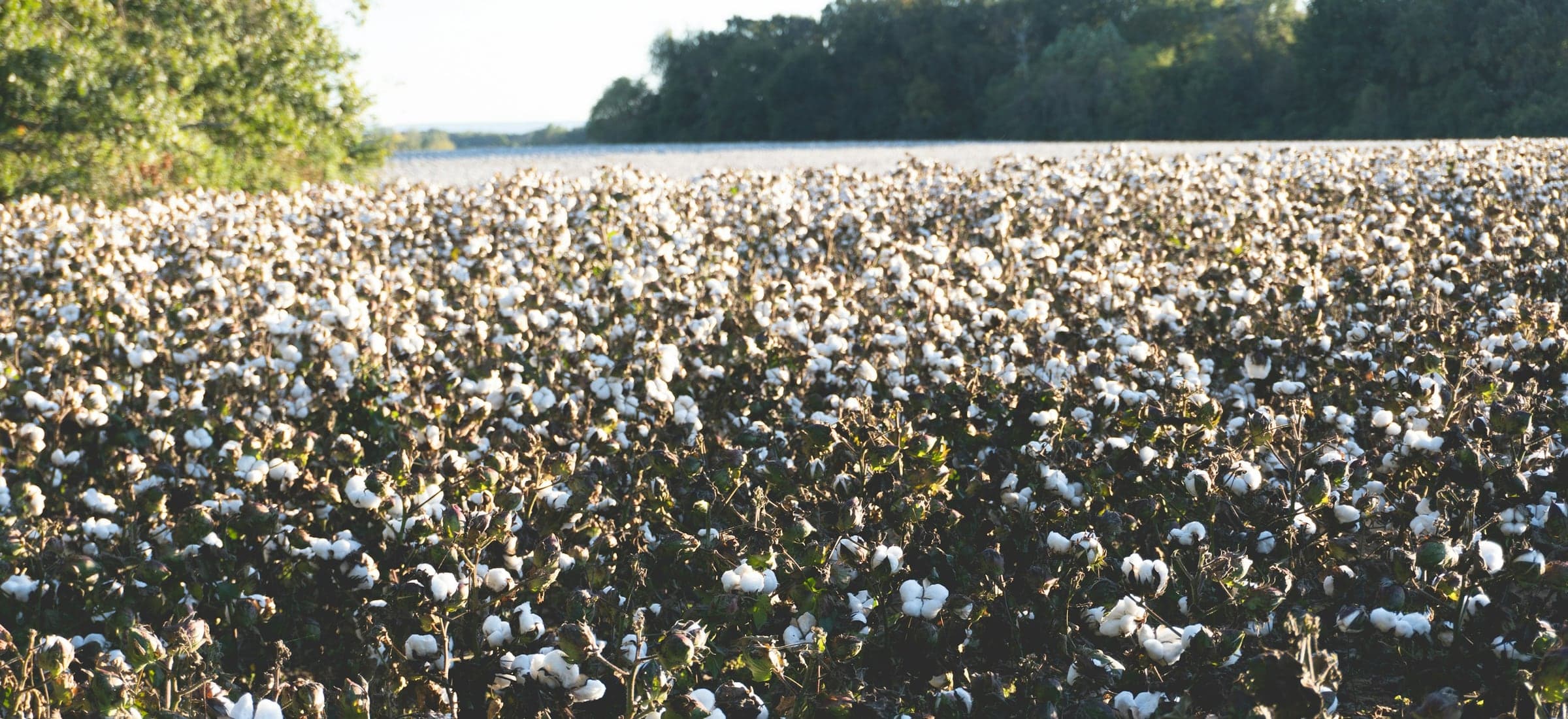
Kapas procurement
Cottonseed and oilcake
Crush-margin context
Services
Everything a cotton trade needs, from one relationship
Broking is the desk. The rest of it — storage, working capital, testing, freight and the software to track it — comes from a network built over years of doing exactly this.
Twelve states, and someone who knows the basis in each
Cotton is a local market with a global price. Our desks sit in the belts that matter, so a quote reflects what is actually moving there this week.
Tap a highlighted state for its desk
Our network
Twelve states, one desk
From the Punjab belt down to Tamil Nadu, we broker cotton and yarn wherever the gin and the mill are. Hover or tap a highlighted state to reach the person who covers it.
ICE Cotton #2, NCDEX Shankar Kapas, Zhengzhou yarn and USD/INR, streaming live — plus an import-parity figure in rupees per candy, so an international quote means something in Indian terms straight away.
Live prices, pushed every few seconds
ICE cotton converted to indicative ₹/candy at the live USD/INR
Domestic and international cotton news in one feed
“A ginner long unsold lint and a mill short forward yarn carry opposite risks. The hedge has to be built around the position that actually exists.”
That is the difference between a market view and risk management. We start from your open exposure — how much, over what horizon, against which benchmark — and work out what is left after the futures leg is on.
The firm is run from Akola, in the middle of the Vidarbha cotton belt — close enough to the ginning yards to know what is actually pressing, and connected enough to price it against ICE and the rupee the same morning.
That combination is the whole proposition: a broker who can read the local basis and the international screen at once, and who has the warehousing, finance and testing relationships to make the resulting trade actually settle.
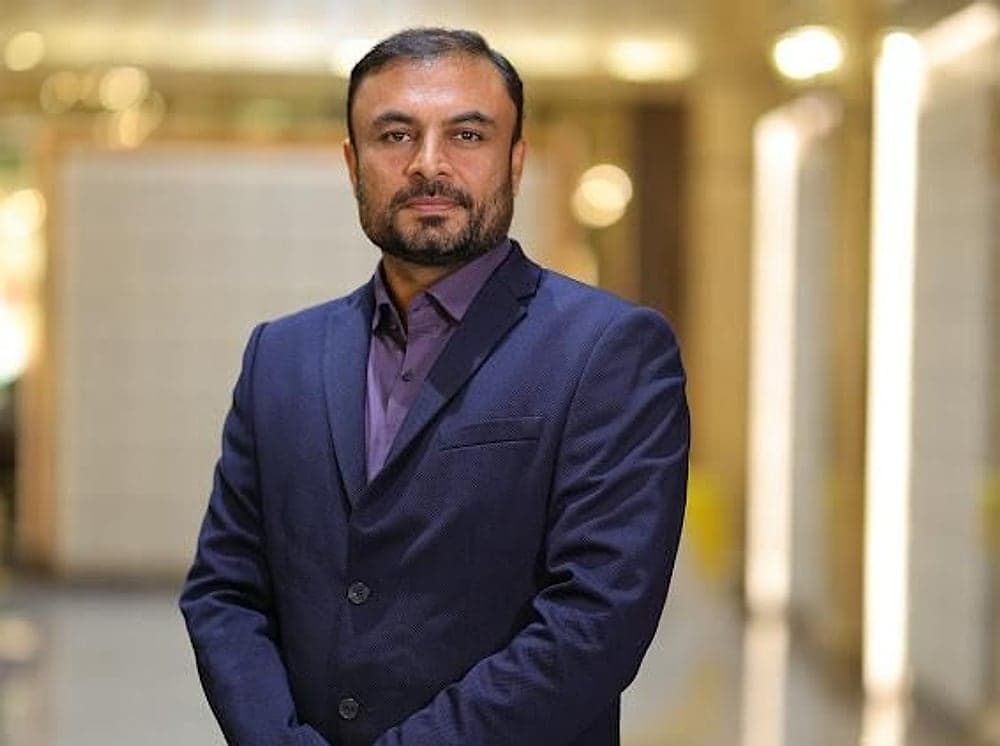
Founder Sunil Gadhiya delivers an on-the-ground address on navigating physical cotton markets, mandi price realization across the Vidarbha belt, and bridging the gap between ginning mills and futures screens.
Physical basis vs. futures screens across 12 states
Why ginners and spinning mills require opposite hedge structures
Holding execution together: testing, finance and logistics